Precious Metals IRA Fees Explained: Setup, Storage, Insurance & Dealer Costs
Navigating physical asset investments requires a clear understanding of the full cost structure. Aprecious metals IRA overview explained simply reveals that physical gold, silver, platinum, and palladium carry distinct operational overhead compared to standard paper stocks or mutual funds. Physical assets require physical infrastructure.
We believe transparency is the foundation of long-term financial security. Opening a self-directed retirement account allows account holders to hold physical metal inside a tax-advantaged vehicle. However, the various administrative fees, vault security costs, and dealer markups can catch unprepared investors off guard. We have mapped out every cost involved in establishing and maintaining a self-directed precious metals account.
Initial Account Setup and Transfer Fees
Getting started involves initial administrative overhead. Because standard brokerage accounts cannot hold physical bullion, an IRS-compliant self-directed account administrator must establish the account framework.
Standard Account Opening Fees
- Application Processing: Account custodians usually charge an initial setup fee ranging from $50 to $175 to establish the account and complete required identity verification.
- Asset Transfer Charges: Moving capital from an existing traditional 401(k) or IRA through a direct trustee-to-trustee rollover avoids tax penalties. Some outgoing custodians assess a processing fee of $25 to $50 for issuing wire transfers.
Navigating IRS Rules and Depository Requirements
We stress the importance of strict adherence to IRS guidelines governing precious metal retirement accounts. Federal regulations mandate that all physical holdings remain under the care of a qualified custodian and stored inside an institutional vaulting facility.
Attempting to store IRA-funded metals at home or inside personal safety deposit boxes voids the tax-sheltered status of the account. Understanding these legal structures ensures your physical metal holdings remain fully compliant, securely insured, and sheltered from unnecessary tax penalties.
Account Funding Requirements

Starting a physical metal account requires meeting minimum purchase thresholds established by dealers and storage partners. For example, knowing the silver IRA minimum investment amount helps individuals plan their capital allocation efficiently, as starting balances directly impact total fee percentages relative to overall portfolio size.
Vaulting, Storage, and Insurance Costs
Physical assets require physical safety. IRS regulations mandate that retirement metals must reside in an approved, highly secure depository rather than at home.
Storage Methods Compared
- Commingled (Non-Segregated) Storage: Metals rest inside a shared high-security vault compartment. Account holders retain full legal title to the precise total ounces owned, though specific serial numbers may vary upon distribution. This option typically costs between $100 and $150 annually.
- Segregated Storage: Physical bars and coins are stored in a private dedicated bin separate from all other client holdings. Upon distribution, the client receives the exact physical pieces initially deposited. Premium vault space usually costs between $150 and $300 per year.
Calculating Long-Term Returns After Custodial Charges
We encourage investors to analyze overall investment performance by evaluating net yields after accounting for annual physical storage and insurance expenses. Physical bullion historically serves as a hedge against currency inflation, providing stability when conventional paper assets face market volatility.
Because administrative and vaulting fees remain largely fixed, larger portfolio balances naturally absorb these costs with minimal impact on overall returns. Establishing a strong silver IRA minimum investment amount ensures annual storage expenses represent only a fraction of a percent of total account value.
Full Transit and Vault Insurance
- Storage rates almost universally include comprehensive all-risk insurance policies against loss, theft, or natural disasters while vaulting.
- Fully insured armored transport (such as Brink’s or Loomis) ensures safe delivery from the minting source to the secure vault location.
Annual Custodial Maintenance Overhead
Self-directed IRA administrators do not manage investments; instead, they process transactions, generate tax statements (IRS Form 5498 and 1099-R), and oversee ongoing regulatory compliance.
Typical Maintenance Fees
Flat Annual Administration: Most established custodians bill a fixed administrative charge between $75 and $300 per year. Flat rates benefit growing portfolios, keeping overhead static even as metal value increases.
Percentage-Based Management: A few custodians charge a sliding percentage based on total asset value. We usually favor flat-fee setups for client simplicity and predictability.
Understanding Dealer Premiums and Buyback Spreads
Apart from custodial and storage charges, metal acquisition costs involve dealer markups over current market spot prices.
Key Transaction Metrics
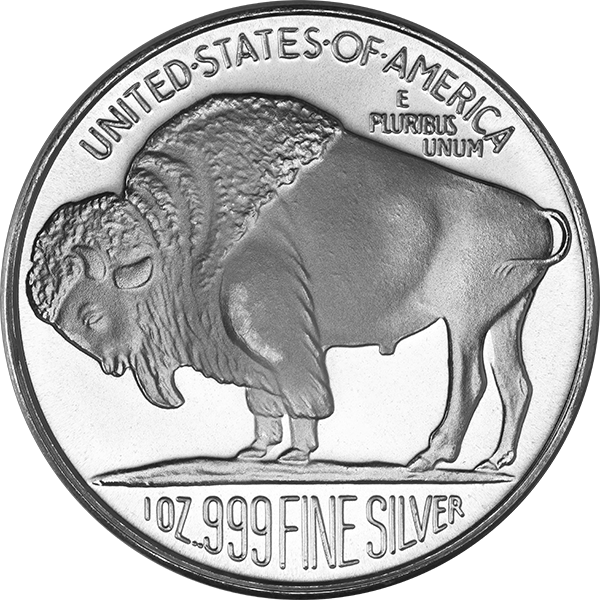
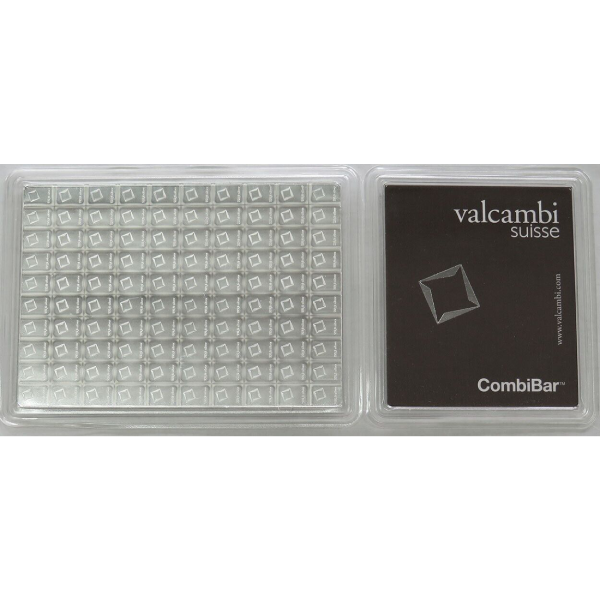
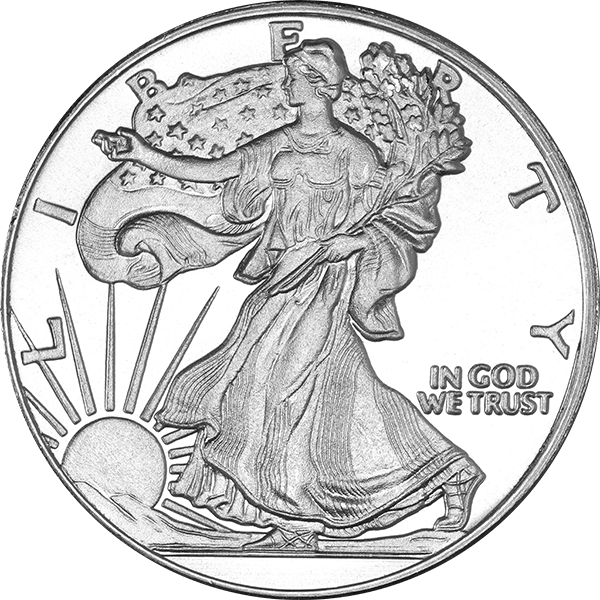
- Minting & Distribution Premiums: Government-minted coins (like American Silver Eagles) carry higher fabrication and distribution premiums than generic cast bullion bars.
- The Bid-Ask Spread: The difference between the dealer’s selling price and the price offered during liquidation. Working with liquid, highly traded items ensure narrow spreads and protects overall value.
Account Fee Comparisons
Evaluating fee structures before committing capital protects retirement outcomes:
| Expense Category | Industry Average Range | Operational Purpose |
| Initial Account Setup | $50 – $175 (One-time) | Establishing regulatory account architecture. |
| Annual Custodial Fee | $75 – $300 (Flat annual) | IRS recordkeeping, reporting, and maintenance. |
| Depository Storage & Insurance | $100 – $300 (Flat annual) | Physical vault security and full risk coverage. |
| Dealer Premium Spreads | 1% – 5% over spot rate | Cover minting, acquisition, and shipping expenses. |
Strategic Ways to Lower Long-Term Metals Overhead
We recognize that managing recurring account fees effectively ensures a higher percentage of growth remains inside your portfolio. Selecting flat-rate custodial pricing models prevents administrative expenses from scaling upward as your precious metal assets appreciate over time.
Additionally, consolidated purchasing reduces per-ounce shipping and processing surcharges during initial account funding. Taking full advantage of promotional account credits, such as a zero storage fees IRA promotion, effectively offsets early custodial overhead and maximizes net metal weight acquired.
Conclusion
Physical asset protection requires physical support systems, secure transportation, and institutional vault security. Understanding how setup fees, annual maintenance, and storage costs interact allows individuals to optimize their retirement allocations effectively.
Capitalizing on incentives like a zero storage fees IRA promotion can significantly reduce upfront expenses during account creation. At Gibraltar Group, we simplify the entire process by guiding account holders through transparent fee structures, direct tax-free rollovers, and fully insured depository storage.
Frequently Asked Questions
What is the average total cost to run a precious metals IRA per year?
Total fixed costs across vaulting, insurance, and custodial administration typically range between $200 and $500 annually. Flat-fee arrangements ensure these amounts remain consistent regardless of how large the underlying account grows.
Can account holders store IRA physical metals at home to save on vault fees?
No. The IRS strictly mandates that all self-directed retirement assets reside in an approved institutional vault. Personal home storage or private safe-deposit boxes violate IRS rules and can trigger immediate taxes and penalties.
Are annual IRA custodian fees tax-deductible?
In many cases, administrative and storage expenses paid directly from external personal funds may qualify as investment management deductions, depending on individual tax circumstances. Consult a qualified CPA or tax professional to review your situation.
Do dealers charge fees when liquidating metals back into cash?
Reputable dealers process buybacks without adding extra liquidation penalties or processing charges. Liquidation values simply reflect current market spot prices relative to standard dealer purchase rates.