Best Gold IRA Companies: How to Compare Fees, Storage & Buyback Policies
Protecting wealth requires looking beyond paper assets. Market swings, inflation, and shifting economic conditions push many investors toward physical assets. A self-directed retirement account backed by physical metals offers a proven path to stability. Navigating this space starts with a clear best gold IRA companies comparison US strategy to identify secure, transparent partners.
We evaluate how different providers handle administration, security, and liquidations. This precious metals IRA overview breaks down exact costs, storage choices, and resale options to protect retirement savings.
Key Features to Compare in Precious Metals Providers
Evaluating metal dealers requires looking past surface marketing. Comparing fee models, physical storage choices, and liquidation policies reveals the true long-term value of a provider.
Understanding Account Fees and Minimum Investment Rules
Fees reduce total investment growth over time, making structural clarity essential. Top providers outline all setup charges, annual management fees, and storage costs upfront without hiding markups in small print.
| Fee Type | Typical Market Range | What We Look For |
| Account Setup | $50 – $150 (One-time) | Flat rates or full waivers on qualifying initial rollovers. |
| Annual Administration | $75 – $150 (Yearly) | Fixed pricing structures that stay the same regardless of total account balance. |
| Depository Storage | $100 – $300 (Yearly) | Transparent, non-percentage rates based on chosen storage type. |
- Flat Fees vs. Scaled Fees: Flat pricing keeps annual costs predictable as account balances grow. Scaled fees calculate costs as a percentage of total assets, raising annual expenses unnecessarily over time.
- Minimum Investment Rules: Entry thresholds vary widely across the industry. Initial rollover minimums range from $10,000 for accessible accounts up to $50,000 for higher net worth portfolios.
- Dealer Spreads: Spreads reflect the difference between wholesale metal spot prices and retail coin or bar prices. Choosing standard bullion over high-markup proof coins lowers overall buy-in costs.
Approved Storage Options and Vault Security Standards
IRS regulations prohibit storing IRA metals at home. All physical holdings must stay inside an approved, high-security depository with specialized insurance.
- Commingled Storage: Metals rest inside secure vaults alongside assets from other investors. Specific weight and purity are strictly tracked, keeping storage fees slightly lower.
- Segregated Storage: Physical bars and coins stay isolated in an individual, dedicated vault space assigned only to your account.
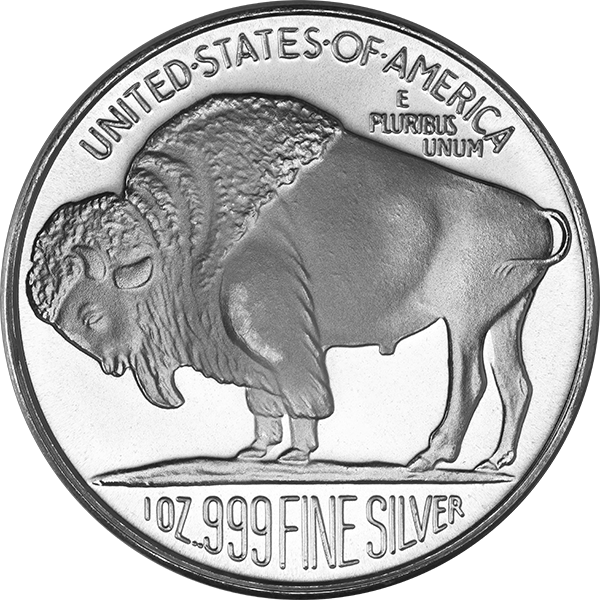
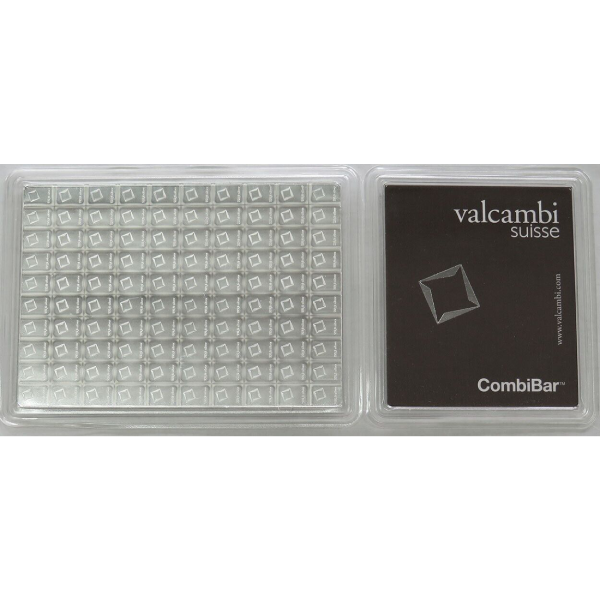
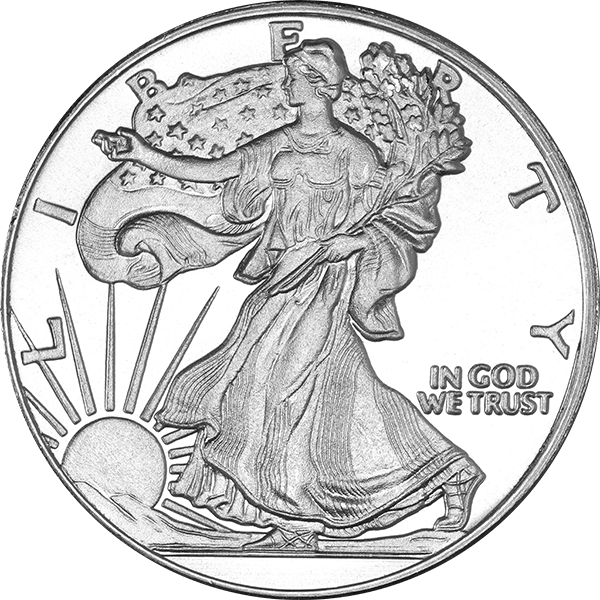
- IRS Purity Standards: Gold must meet a minimum purity of 99.5%, while silver must hit 99.9%. Approved options include American Gold Eagles, Canadian Maple Leafs, and certified bullion bars.
Evaluating Buyback Policies and Exit Liquidity
An IRA strategy remains incomplete without a clear liquidation plan. Reputable dealers guarantee ready buyback programs so investors can liquidate assets or meet Required Minimum Distributions (RMDs) smoothly without taking unexpected losses.
- No-Fee Buyback Commitments: Reputable companies purchase back physical metals at current spot prices without tacking on added liquidation fees.
- Fast Processing Times: Streamlined liquidation procedures deliver cash payouts or wire transfers within days of submitting a sale request.
- Nationwide Purchase Support: Top dealers handle direct liquidations across the country, making selling silver back to dealer nationwide simple and hassle-free.
Selecting the Right Precious Metals IRA Company
We assess provider operational safety, custodian partnerships, and customer support channels before opening an account.
Verify Custodian Partnerships
Dealers must partner with experienced, IRS-approved self-directed IRA custodians. Trustworthy entities like Equity Trust or STRATA Trust manage official recordkeeping, handle compliance and tax reporting, and process account transfers seamlessly.
Understanding Tax Rules and Rollover Guidelines for Physical Metals
Moving funds from an existing retirement account into physical bullion requires strict adherence to IRS framework guidelines. Direct transfers between custodians prevent tax withholding issues and keep account holders safely within legal rollover windows.
- Direct vs. Indirect Rollovers: Direct trustee-to-trustee transfers move funds straight to your new custodian without touching personal bank accounts, eliminating mandatory tax withholding risks. Indirect rollovers give investors 60 days to deposit funds into the new account before triggering income taxes and early withdrawal penalties.
- Eligible Retirement Accounts: Investors can transfer funds from traditional IRAs, Roth IRAs, 401(k) plans, 403(b) accounts, or Thrift Savings Plans (TSPs) into a self-directed physical metal account.
- Annual IRS Contribution Limits: Traditional annual contribution limits apply to new physical metal accounts, whereas rollover transfers carry no dollar caps.
Check Customer Service and Account Management

Opening a precious metals IRA overview explained involves rolling over funds from existing 401(k) or traditional IRA accounts. A dedicated account specialist manages every step of this transfer process directly with previous plan administrators, eliminating tax headaches or unexpected penalties.
Strategic Storage Depository Selection Factors
Selecting the right vault facility guarantees that physical assets remain fully insured, continuously audited, and physically protected at all times. Top depositories operate advanced security systems backed by multi-layered insurance policies.
- Top IRS-Approved Vaults: Leading facilities like Delaware Depository, Brink’s Global Services, and International Depository Services (IDS) set global standards for physical asset security.
- Third-Party Audits and Insurance: Reputable depositories carry full Lloyd’s of London insurance coverage alongside regular independent physical inventory audits.
- Geographic Vault Distribution: Choosing depositories located in key financial hubs ensures operational flexibility during account distributions or physical withdrawals.
Avoid High-Markup Collectible Coins
Some sales teams push collectible or proof coins carrying massive dealer premiums. Stick with IRA-eligible bullion bars and widely traded bullion coins to maximize physical metal content per dollar spent.
Conclusion
Protecting long-term retirement savings requires choosing a partner built on trust, transparency, and operational clarity. Comparing flat fee models, verified vault security, and seamless buyback options ensures your physical assets remain safe and liquid whenever you need them. At Gibraltar Group, we simplify this entire rollover process, helping investors secure physical gold and silver with absolute peace of mind.
Frequently Asked Questions
What is the minimum amount needed to start a gold IRA rollover?
Minimum rollover thresholds vary by company. Many accessible providers accept initial transfers starting at $10,000, while specialized firm accounts require $25,000 to $50,000.
Can I store IRA gold and silver bars in a personal home safe?
No, IRS rules require all physical IRA precious metals to stay stored inside an approved depository facility under an independent custodian’s care. Personal home storage invalidates IRA tax benefits, triggering immediate distribution taxes and penalty charges.
How do buyback policies work when I want to take distributions?
When taking distributions or selling holdings, you notify your custodian and dealer. The provider buys back your physical metals at current market rates, sending cash funds straight to your designated account.
What happens if I want physical delivery of my metals instead of cash?
You can request an in-kind distribution directly through your IRA custodian. The depository ships the physical gold or silver directly to your home address, though standard income tax rules apply based on the distribution’s market value.