How to Roll Over a 401(k) Into a Gold IRA: Complete U.S. Guide
Moving paper-based retirement assets into physical bullion is one of the most reliable ways to protect long-term purchasing power. Stock market volatility, sudden inflation spikes, and shifting economic policy can leave standard paper portfolios vulnerable. Shifting a traditional 401(k) balance into tangible precious metals helps maintain true financial control.
Executing a rollover 401k to precious metals nationwide allows account holders across every U.S. state to preserve their hard-earned wealth within a tax-advantaged framework. We designed this complete step-by-step guide to explain how the rollover process works, what federal rules apply, and how to execute a transfer without incurring unexpected tax penalties.
Understanding the Essentials of a Gold IRA
A Gold IRA functions as a self-directed individual retirement account that holds physical gold bars and coins instead of stocks, bonds, or mutual funds. The Internal Revenue Service (IRS) permits these accounts to retain the same tax advantages as conventional IRAs.
When rolling over 401k into gold nationwide, investors transition funds from an employer-sponsored plan into a dedicated self-directed custodian. This structure gives account holders direct ownership of physical assets while preserving tax-deferred growth or tax-free distributions.
Standard 401(k) vs. Self-Directed Gold IRA
| Account Feature | Standard Employer 401(k) | Self-Directed Gold IRA |
| Asset Types | Paper stocks, mutual funds, ETFs | Physical gold, silver, platinum, palladium |
| Control Level | Restricted to plan sponsor options | Full direct control over physical metal choices |
| Inflation Protection | Vulnerable to dollar devaluation | Tangible wealth retention over time |
| Storage Requirement | Digital positions with brokerages | IRS-approved secure depository vaults |
Critical Steps for a Successful Gold IRA Account Setup
Moving retirement funds requires strict adherence to IRS guidelines. Missing a deadline or mishandling distributions can trigger unexpected tax bills. Following a clean sequence ensures a smooth, tax-free transfer.
1. Verify 401(k) Eligibility: Confirm your current plan status before requesting forms. Check whether the existing 401(k) originates from a previous employer or an active one. Accounts from former employers roll over without restriction. Active employment plans may require an in-service distribution clause to qualify for a transfer.
2. Establish a Self-Directed IRA: Partner with an approved specialized custodian. Select an IRS-approved custodian trained in physical asset management. Complete the account setup documentation to create the receiving self-directed IRA structure.
3. Initiate a Direct Rollover: Request a direct trustee-to-trustee funds transfer. Instruct the current 401(k) plan administrator to perform a direct rollover. A direct transfer moves funds straight from the old plan to the new custodian without personal tax withholding.
4. Select IRS-Approved Precious Metals: Choose coins or bars meeting purity specifications. Allocate transferred capital into physical bullion that satisfies strict federal fineness standards. Once selected, the metals transfer directly into an insured, IRS-approved depository.
IRS Rules, Purity Standards, and Storage Requirements

Federal law enforcers strict standards regarding what types of physical bullion can enter a retirement account. Storing IRA metals at home is prohibited by the IRS and risks immediate account disqualification along with early withdrawal penalties.
The proper gold IRA account setup in the United States regulations mandate specific fineness thresholds:
- Gold Coins and Bars: Must achieve a minimum purity level of 99.5% (.995 fineness). Popular compliant choices include American Gold Eagles, Canadian Gold Maple Leafs, and Austrian Philharmonics.
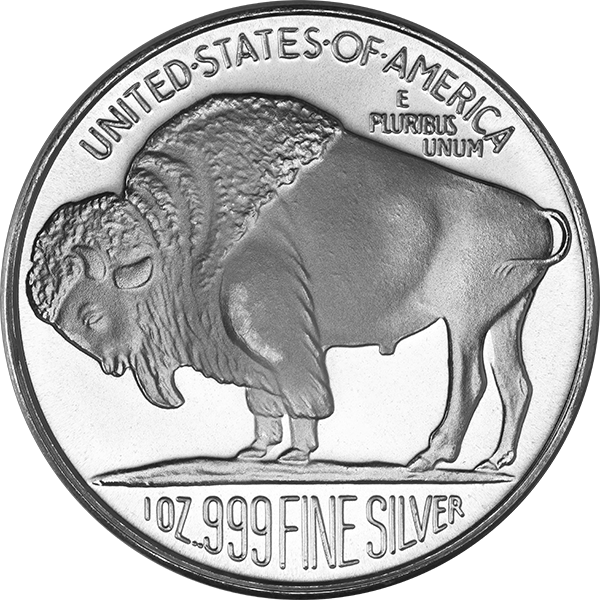
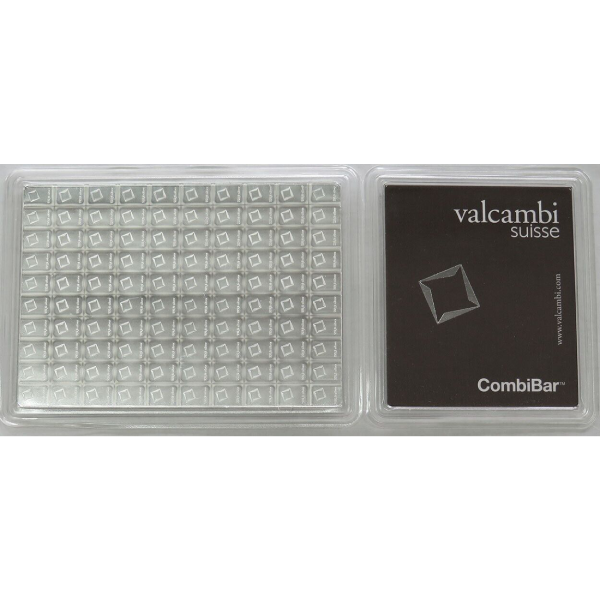
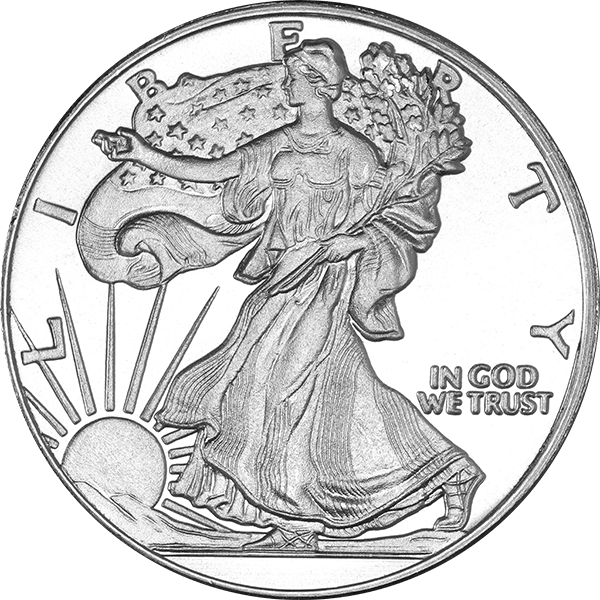
- Silver Bullion: Requires 99.9% purity (.999 fineness) across all coins, rounds, and bars.
- Platinum and Palladium: Must hit 99.95% purity levels to qualify for IRA inclusion.
- Depository Storage: All physical assets must reside within an IRS-approved, fully insured depository facility. Investors can select between segregated storage (separate allocated space) or commingled storage (vaulted alongside other institutional holdings).
Comparing Fees, Minimums, and Industry Alternatives
Evaluating custodian costs and initial investment minimums helps ensure maximum portfolio value remains preserved during a transfer. While major national providers like Augusta Precious Metals enforce a $50,000 minimum purchase requirement and Goldco sits around $25,000, lower entry thresholds give investors greater flexibility when starting small.
Standard annual maintenance fees across the industry typically hover between $150 and $300, covering administrative oversight, secure depository vaulting, and regular auditing. Transparent flat-fee structures ensure that account expenses stay predictable over time rather than scaling up unnaturally as total asset values grow.
Direct Rollover vs. Indirect Rollover: Avoiding Tax Penalties Choosing the correct transfer method remains the single most important decision during an asset shift. Understanding the difference protects retirement accounts from unnecessary tax liabilities.
Direct Rollover (Trustee-to-Trustee)
In a direct rollover, the current plan administrator transfers capital directly to the new self-directed custodian via wire or check made out to the receiving institution. Capital never touches personal bank accounts. This path incurs zero tax withholdings, zero early distribution penalties, and zero reporting complications.
Indirect Rollover (60-Day Rule)
In an indirect rollover, the plan administrator issues a check directly to the account holder. By law, the administrator must withhold 20% for potential federal income taxes. The account holder then has exactly 60 calendar days to deposit the entire 100% balance into the new Gold IRA. Missing this 60-day window causes the IRS to treat the entire sum as a taxable distribution, alongside a 10% early withdrawal penalty for individuals under age 59½. Direct transfers remain the cleanest, safest route for long-term security.
Conclusion
Navigating retirement planning requires clear execution, sound strategies, and reliable partners. Transitioning paper balances into physical precious metals stabilizes purchasing power against market downturns and ongoing currency devaluation. By following official IRS guidelines, securing an approved custodian, and opting for direct trustee transfers, investors protect their financial futures with real, tangible value.
At Gibraltar Group, we simplify precious metal account setups, offering transparent guidance, competitive pricing, and dedicated support across every step of the rollover process.
Frequently Asked Questions
Can an active employer 401(k) be rolled over into a Gold IRA?
Yes, provided the employer’s plan documentation permits in-service distributions. Most plan sponsors allow full account rollovers once an employee reaches age 59½ or separates from the company.
Are there taxes or penalties when moving a 401(k) to gold?
No taxes or penalties apply when executing a direct, trustee-to-trustee rollover. Moving funds directly between custodians preserves the original tax-deferred status of pre-tax retirement capital.
Can gold IRA metals be kept at home?
No. IRS regulations strictly forbid personal home storage for IRA precious metals. Physical assets must remain inside an approved depository vault to maintain valid tax-advantaged status.
How long does a 401(k) to Gold IRA rollover take?
The full process typically takes between 10 to 21 business days. Setup duration depends heavily on how quickly the current 401(k) plan administrator processes liquidation forms and wires capital to the receiving custodian.