Precious Metals IRA Explained: How Gold, Silver, Platinum & Palladium IRAs Work
Paper assets like stocks and bonds form the backbone of most retirement accounts, yet economic fluctuations can quickly erode their real value. We need resilient strategies to safeguard our hard-earned wealth against inflation and market downturns. A self-directed precious metals retirement strategy gives us a practical alternative by allowing us to hold real, physical assets within a tax-advantaged account.
If you want a clear precious metals IRA overview explained, this blog breaks down how physical gold, silver, platinum, and palladium IRAs work, how to fund them properly, and how they protect your long-term purchasing power.
What Is a Precious Metals IRA and How Does It Function?
A precious zero storage fees IRA promotion type of self-directed Individual Retirement Account that allows us to hold physical bullion bars and coins rather than electronic funds, stock shares, or paper certificates. Traditional IRAs limit investment options to paper assets, whereas self-directed accounts give us direct control over tangible holdings.
The Internal Revenue Service (IRS) enforces specific rules for these accounts:
- Approved Custodians: An IRS-approved custodian must administer the account to handle reporting, compliance, and asset tracking.
- Depository Storage: The physical metal cannot be kept at home; it must be stored in an IRS-approved depository equipped with advanced vault security and full insurance coverage.
- Purity Standards: Metals must meet strict minimum fineness standards to qualify for inclusion in a retirement account.
Breakdown of the Four IRS-Approved Precious Metals
We can hold four primary types of precious metals in a self-directed retirement account. Each metal offers distinct economic advantages and market characteristics.
1. Physical Gold
Gold remains the primary asset for long-term wealth protection. It historically preserves purchasing power across generations and serves as an effective hedge during periods of inflation or geopolitical unrest.
- Purity Requirement: Must be at least .995 fine (99.5% pure).
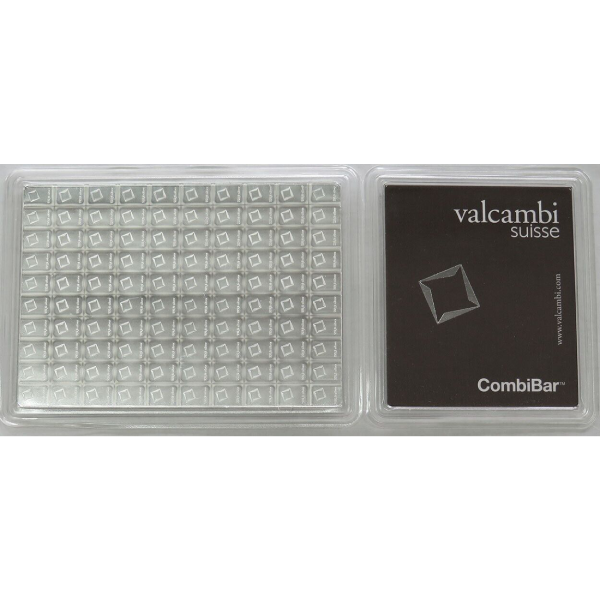
- Popular Options: American Gold Eagle coins, Canadian Gold Maple Leafs, and IRS-approved bullion bars.
2. Physical Silver
Silver acts as both a safe-haven store of value and an essential industrial commodity. Its affordability makes it accessible, while growing demand in electronics, solar technology, and medical devices drives long-term potential.
- Purity Requirement: Must be at least .999 fine (99.9% pure).
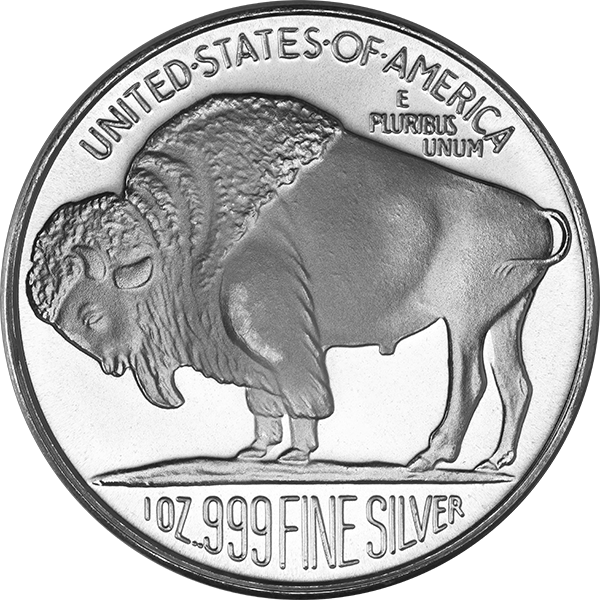
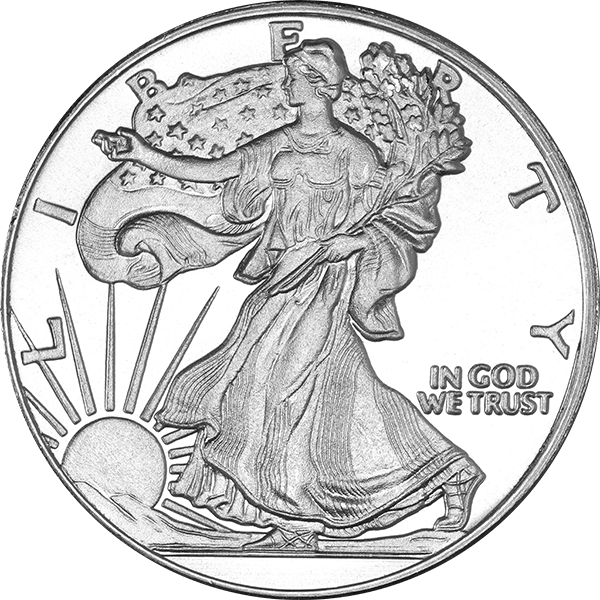
- Popular Options: American Silver Eagle coins, Austrian Silver Philharmonics, and mint-sealed silver bars.
3. Physical Platinum
Platinum is far rarer than gold and silver, with production heavily concentrated in a few geographic regions. High global demand across the automotive and industrial sectors causes unique market price movements.
- Purity Requirement: Must be at least .9995 fine (99.95% pure).
- Popular Options: American Platinum Eagle coins and certified platinum bullion bars.
4. Physical Palladium
Palladium is a critical industrial metal used extensively in modern manufacturing and catalytic converters. Its constrained global supply and steady industrial usage offer significant growth potential.
- Purity Requirement: Must be at least .9995 fine (99.95% pure).
- Popular Options: Canadian Palladium Maple Leaf coins and IRS-approved palladium bars.
Key Benefits of Holding Tangible Metals in Retirement

Adding physical assets to a retirement portfolio offers practical advantages that standard paper investments cannot replicate.
- Inflation Protection: Precious metals preserve intrinsic value as fiat currencies lose purchasing power over time.
- True Portfolio Diversification: Tangible metals generally show low or negative correlation with equities, helping stabilize your total portfolio balance when stock markets decline.
- Direct Asset Ownership: You own real physical bullion held securely under your account’s name inside a high-security vault.
- Tax Advantages: You retain all the standard tax benefits of a Traditional or Roth IRA structure while holding physical assets.
Cost Considerations, Promos, and Requirements
Understanding the costs associated with self-directed accounts helps us maximize investment growth and avoid unexpected expenses.
| Expense / Feature | Details & Typical Expectations |
| Initial Account Setup | A one-time fee charged by the custodian to establish your self-directed account structure. |
| Annual Maintenance & Storage Fees | Ongoing operational costs covering vault space, strict security protocols, and full physical insurance. |
| Minimum Investment Amounts | The minimum amount to start gold IRA accounts typically ranges between $5,000 and $25,000 depending on the provider and custodian selected. |
| Fee Incentive Programs | Special offers like a zero storage fees IRA promotion can reimburse or cover initial storage and setup costs on qualifying account transfers. |
Minimum Investment Amounts: The minimum amount to start gold IRA accounts typically ranges between $5,000 and $25,000 depending on the provider and custodian selected.
Fee Incentive Programs: Special offers like a zero storage fees IRA promotion can reimburse or cover initial storage and setup costs on qualifying account transfers.
How to Set Up a Precious Metals IRA in 4 Steps
Opening and funding a physical metals account follows a simple, structured process when working with qualified professionals.
- Open a Self-Directed IRA: Partner with a specialized custodian who handles self-directed retirement accounts and IRS compliance.
- Fund Your Account: Transfer funds from an existing Traditional IRA, Roth IRA, 401(k), 403(b), or TSP through a tax-free, penalty-free direct transfer or rollover.
- Select Your Metals: Choose IRS-approved gold, silver, platinum, or palladium bullion based on your long-term financial goals.
- Arrange Vault Storage: Your custodian transfers the purchased metals directly to an IRS-approved, fully insured depository for safekeeping.
Conclusion
Preserving retirement wealth requires proactive strategies that protect our savings against persistent inflation, market turbulence, and economic shifts. Diversifying into physical gold, silver, platinum, and palladium offers a practical way to anchor our portfolios with tangible assets that have preserved value for centuries.
By utilizing self-directed retirement structures, we secure the dual advantage of physical asset protection alongside traditional tax benefits. If you are ready to fortify your retirement savings with physical bullion, contact the expert team at Gibraltar Group today to guide you through a seamless, tax-advantaged account setup.
Frequently Asked Questions
What is the minimum amount to start gold IRA investments?
Most custodians and metals dealers set an initial minimum rollover requirement between $5,000 and $25,000. This threshold ensures the account balance effectively offsets annual account administration and secure depository storage fees.
Can I take physical possession of the metals in my retirement account?
No. To preserve the account’s tax-deferred status, IRS regulations require all physical metals to remain in the custody of an approved depository. If you take personal possession of the metals, the IRS treats the movement as an early distribution, subject to taxes and potential penalties.
How does a zero storage fees IRA promotion work?
Under a zero storage fees IRA promotion, the precious metals provider covers or reimburses your initial custodial and insured vault storage expenses for a specified period (such as the first year or up to several years) based on your total account funding amount.
Can I roll over a current 401(k) into a precious metals IRA without paying taxes?
Yes. By using a direct trustee-to-trustee rollover, you move funds directly from your 401(k) or traditional IRA into your self-directed precious metals account without incurring taxes, early withdrawal penalties, or tax withholdings.