IRS-Approved Precious Metals for IRAs: Gold, Silver, Platinum & Palladium Eligibility
Building a resilient retirement portfolio requires a balance of stability and growth. Many investors turn to physical assets to safeguard their purchasing power against market swings and inflation. Understanding which metals qualify for retirement account IRS guidelines is the essential first step when diversifying a portfolio.
We often guide client choices around the strict regulatory rules governing physical bullion. The Internal Revenue Code permits retirement accounts to hold specific physical bullion, provided the assets meet exact purity thresholds and originate from recognized mints or refiners. Choosing the right assets protects your tax-deferred or tax-free status while expanding your holdings into tangible wealth.
IRS Purity Standards and Asset Compliance
The IRS mandates strict fineness levels to ensure retirement accounts hold investment-grade bullion rather than industrial material or decorative items. Meeting these criteria maintains account compliance and avoids unintended tax penalties.
Gold purity standards IRA eligibility

Gold must maintain a minimum fineness of 99.5% (.995) to be held within a retirement account. The primary exception is the gold purity standards IRA eligibility, which remains eligible at 22 karats (91.67% purity) due to specific federal legislation.
Silver Fineness Rules
Silver requires the highest relative purity standard among popular metals. The IRS mandates a minimum fineness of 99.9% (.999) for all silver coins and bullion bars.
Platinum and Palladium Requirements
Both platinum and palladium must achieve a minimum fineness of 99.95% (.9995). These metals offer specialized industrial and investment diversification, but they must carry certified hallmarks from recognized refiners.
Qualifying Precious Metals for Self-Directed Accounts
Selecting IRS approved gold coins for IRA eligible holdings involves choosing items produced by official national mints or accredited manufacturers.
Eligible Gold Coins and Bullion
- American Gold Eagle: Available in 1 oz, 1/2 oz, 1/4 oz, and 1/10 oz weights.
- American Gold Buffalo: Minted at 99.99% purity.
- Canadian Gold Maple Leaf: Recognized globally for 99.99% fine gold content.
- Austrian Gold Philharmonic: Struck in 99.99% fine gold.
- Australian Gold Kangaroo/Nugget: Fully compliant 99.99% gold coins.
- Accredited Gold Bars: Bars produced by NYMEX, COMEX, or LBMA-approved refiners meeting the .995 purity standard.
Eligible Silver Products
- American Silver Eagle: The official bullion silver coin of the United States.
- Canadian Silver Maple Leaf: High-purity .9999 silver coin.
- Austrian Silver Philharmonic: Popular European sovereign silver coin.
- Australian Silver Kookaburra: Recognized national mint silver coin.
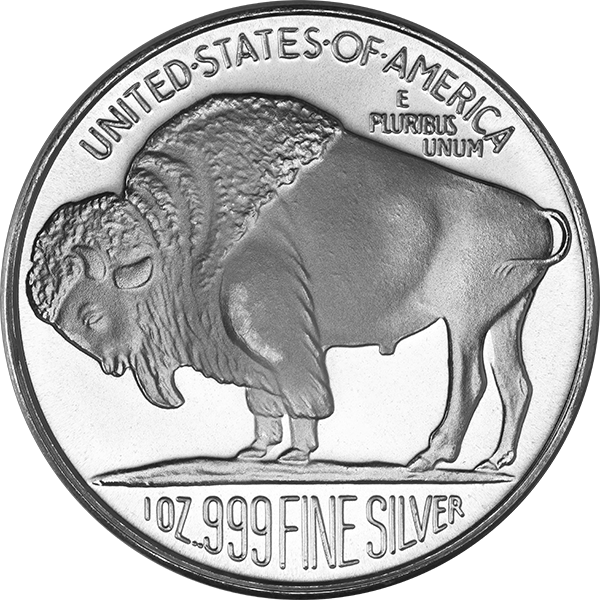
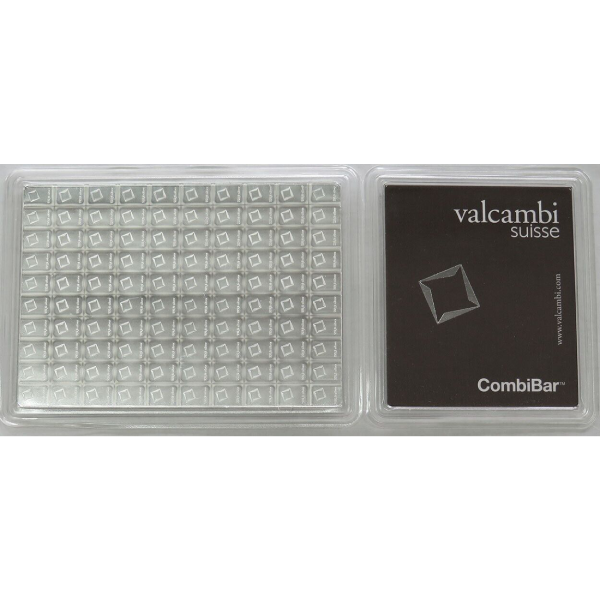
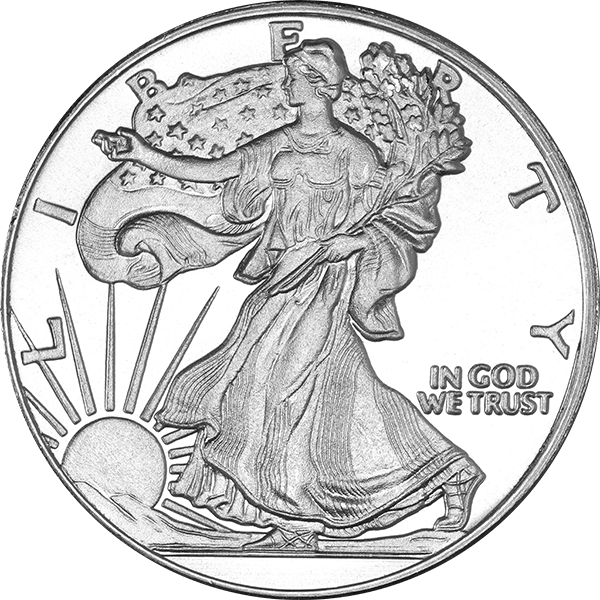
- Certified Silver Bars and Rounds: Produced by ISO 9001-certified refiners with a minimum fineness of .999.
Eligible Platinum and Palladium Products
- American Platinum Eagle: Sovereign platinum coins meeting .9995 purity.
- Canadian Platinum Maple Leaf: Government-issued .9995 fine platinum bullion.
- American Palladium Eagle: The premier option for palladium coin holdings.
- Canadian Palladium Maple Leaf: Sovereign palladium bullion coin.
- Hallmarked Bars: Platinum and palladium bars from COMEX or LBMA-certified mints.
Non-Qualifying Assets and Collectibles
Not all physical assets are permitted inside a tax-advantaged account. The tax code explicitly restricts collectible coins, rare items, and personal jewelry.
- Rare and Numismatic Coins: Coins valued primarily for scarcity or historical interest rather than metal weight do not qualify.
- South African Krugerrands: Excluded from gold IRAs because their purity (91.67%) falls short of the .995 threshold without a statutory exception like the Gold Eagle.
- Pre-1933 US Gold Coins: Highly collectible coins, such as Morgan Dollars or pre-1933 gold pieces, are classified as collectibles.
- Jewelry and Decorative Items: Personal items are prohibited regardless of metal purity.
- Uncertified Bullion: Bars or rounds lacking refiner hallmarks or weight stamps from accredited organizations.
Executing a Direct Tax-Free IRA Rollover or Transfer
Moving existing retirement funds into a self-directed precious metals IRA is typically accomplished through a trustee-to-trustee transfer or a direct rollover to preserve tax advantages. A trustee-to-trustee transfer moves funds directly from an existing Traditional IRA, Roth IRA, or eligible retirement account to your new self-directed custodian without the capital ever touching your personal bank account, eliminating tax withholdings or distribution penalties. If executing an indirect rollover from a 401(k), 403(b), or 457 plan, the IRS enforces a strict sixty-day timeline from the date you receive the funds to deposit the total amount into the new self-directed IRA account.
Storage and Custody Rules
Holding physical metals inside a retirement account requires a structured setup involving a qualified custodian and an approved depository.
- Custodian Management: Self-directed IRAs must be overseen by an IRS-approved trustee or custodian who handles administrative reporting.
- Third-Party Depository: Federal regulations prohibit keeping IRA metals at home. Assets must reside in an IRS-approved depository equipped with high-security vaults.
- Segregated vs. Non-Segregated Storage: Investors can choose between allocated storage (stored alongside other institutional assets) or segregated storage (held in an individual dedicated box).
Approved Institutional Depositories and Storage Security
Physical precious metals held within an IRA cannot be stored in a personal home, safe, or local bank safe-deposit box under federal law. The IRS mandates that all physical bullion assets reside in the custody of an approved institutional depository equipped with specialized high-security vaults. These facilities provide advanced vaulting technology, 24/7 security monitoring, and full insurance coverage underwritten by global insurers.
Investors can choose between two main vaulting arrangements: segregated storage, where your specific physical coins and bars are stored in an individually assigned space separate from all other assets, or non-segregated (allocated) storage, where your metals are stored alongside identical bullion assets of the same type and fineness owned by other account holders.
Conclusion
At Gibraltar Group, we help clients navigate retirement regulations with confidence. Adding physical precious metals to a self-directed portfolio protects capital against volatility while maintaining full IRS compliance. Our team simplifies the account setup, coordinates directly with approved custodians, and ensures every coin or bar selected meets exact regulatory standards.
Frequently Asked Questions
What happens if an IRA holds a non-approved coin?
Holding a non-compliant asset causes the transaction to be treated as an early distribution by the IRS. This can trigger income taxes on the asset value along with potential early withdrawal penalties.
Can physical IRA precious metals be kept at home?
No, personal home storage for IRA metals is prohibited under federal regulations. All physical bullion held within a retirement account must remain in the custody of an approved institutional depository.
Why is the American Gold Eagle eligible despite lower purity?
Congress created a specific statutory exception for the American Gold Eagle. While its fineness is 91.67% (22 karats), the U.S. Mint backs its total gold weight, making it fully eligible for retirement accounts.
Are proof coins permitted inside a precious metals IRA?
Proof coins are allowed only if they meet the standard purity requirements, come with their original mint packaging and certificates of authenticity, and are officially classified as non-collectible bullion items by the IRS.