Silver IRA: Investing in Physical Silver for Retirement
Planning for retirement involves more than simply saving money. It also means choosing investments that can help protect your long-term financial goals against inflation, market uncertainty, and changing economic conditions. While traditional retirement accounts often focus on stocks, bonds, and mutual funds, some investors explore precious metals as another way to diversify their retirement portfolios.
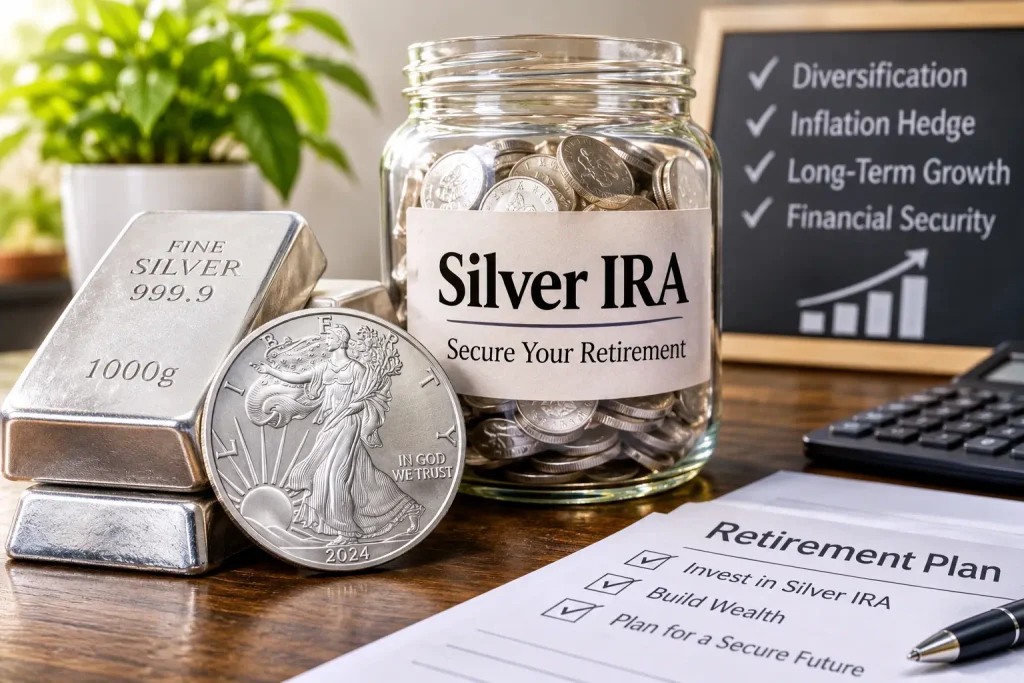
One option that has attracted attention is a Silver IRA. This type of retirement account allows eligible investors to hold certain physical silver coins and bullion while benefiting from the tax structure of an individual retirement account (IRA).
But how does a Silver IRA work? What types of silver can you own? What are its potential benefits, costs, and risks?
In this comprehensive guide, we will explore everything you need to know about Silver IRAs, from the basics to the process of opening an account.
What Is a Silver IRA?
A Silver IRA is a type of self-directed Individual Retirement Account (SDIRA) that allows investors to include eligible physical silver in their retirement savings.
Unlike conventional IRAs, which generally offer investments such as stocks, bonds, and mutual funds, a Silver IRA provides access to certain IRS-eligible silver coins and bullion.
The account follows the applicable IRA tax rules, but it also has additional requirements concerning the types of precious metals that can be purchased and how they must be stored.
For example, eligible silver bullion generally needs to meet a minimum fineness of 99.9%, and qualifying bullion must remain in the physical possession of an eligible IRA trustee or custodian.
A Silver IRA can be established using eligible new contributions or by transferring or rolling over funds from certain existing retirement accounts, subject to applicable IRS rules.
How Does a Silver IRA Work?
A Silver IRA operates similarly to other self-directed retirement accounts, but instead of holding only traditional financial investments, it can hold qualifying physical silver.
The process generally involves three important parties:
- IRA Custodian: A qualified financial institution or other eligible custodian that administers the retirement account and handles required reporting.
- Precious Metals Dealer: A company that sells eligible silver coins and bullion to the IRA.
- Approved Storage Facility: A qualified depository where the IRA’s physical silver is securely stored.
Here is how the process typically works:
- Open a Self-Directed IRA: Choose a custodian that supports physical precious metals investments.
- Fund the Account: Make eligible contributions or transfer or roll over funds from an existing retirement account.
- Select Eligible Silver: Work with a precious metals dealer to select qualifying silver coins or bullion.
- Complete the Purchase: The IRA purchases the silver through the appropriate account arrangements.
- Arrange Secure Storage: The silver is delivered to an eligible storage facility under the custody arrangements.
- Monitor Your Investment: Review your account value, storage expenses, and overall retirement strategy periodically.
The account owner directs investment decisions, while the custodian handles the account administration and applicable compliance requirements.
Importantly, investors should not simply purchase silver through their IRA and store it at home. Special IRS custody requirements apply to physical precious metals held within an IRA.
Types of Silver Eligible for a Silver IRA
Not every silver product qualifies for inclusion in a Silver IRA. The IRS has specific requirements concerning eligible coins and bullion.
Generally, silver bullion must meet the applicable minimum fineness standard of 99.9%, while certain specifically authorized coins qualify under a separate statutory exception.
Common examples of silver products used in precious metals IRAs include:
1. American Silver Eagle Coins
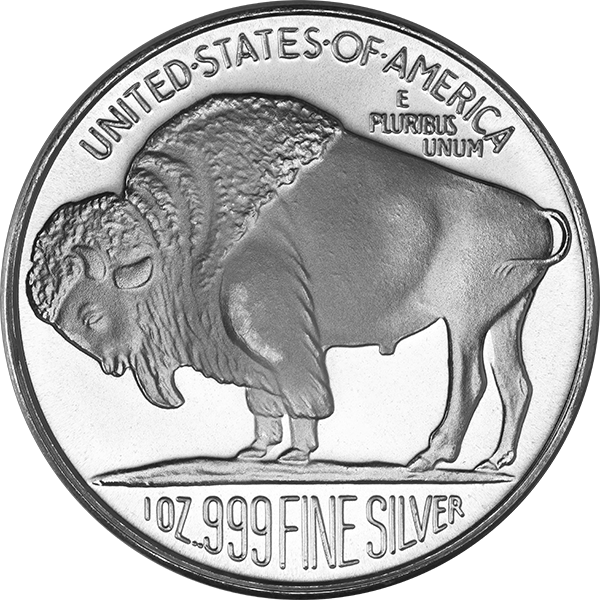
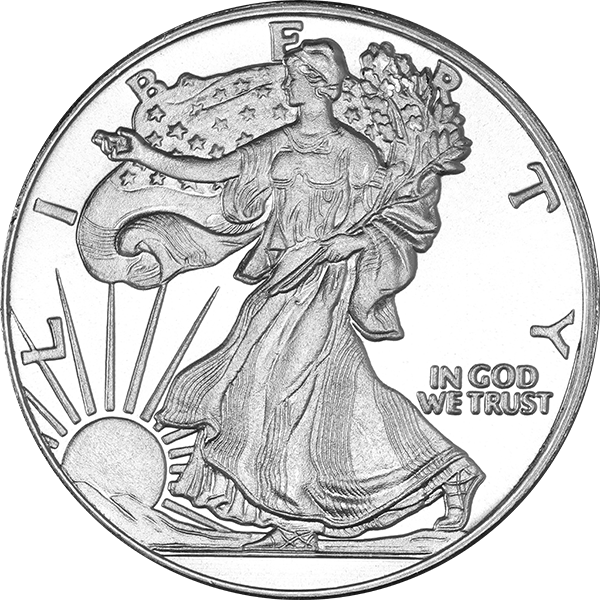
American Silver Eagle coins are among the most recognized silver bullion coins in the United States. Issued by the U.S. Mint, they contain one troy ounce of .999-fine silver.
These coins are specifically covered by the statutory exception for qualifying silver coins under U.S. retirement account rules.
2. Canadian Silver Maple Leaf Coins
Canadian Silver Maple Leaf coins are produced by the Royal Canadian Mint and are widely recognized for their .9999 silver purity.
Their high silver content and international recognition make them a popular option among precious metals investors. The specific coin and purchase should still be verified for IRA eligibility.
3. Silver Bullion Bars
Silver bars provide another way to hold physical silver in a retirement account.
Common sizes include:
- 1-ounce silver bars
- 5-ounce silver bars
- 10-ounce silver bars
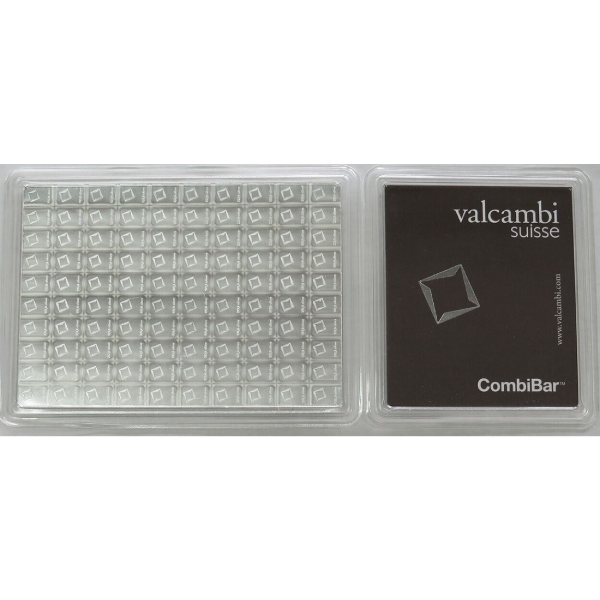
- 100-ounce silver bars
Qualifying bullion must meet the applicable purity requirements and be held in the physical possession of the IRA trustee or custodian.
4. Other Eligible Silver Coins
Some other government-issued silver coins may also qualify, depending on their statutory status and applicable requirements.
Investors should always verify a product’s eligibility with their IRA custodian before making a purchase.
Potential Benefits of Investing in a Silver IRA
A Silver IRA may offer several advantages for investors who want to diversify their retirement savings beyond conventional financial assets.
Let’s explore some of the potential benefits.
1. Portfolio Diversification
Diversification is an important principle of long-term investing.
Holding different types of assets can help reduce dependence on a single investment category. Silver may provide exposure to a physical commodity alongside traditional retirement investments.
However, silver prices can also move independently of stocks and bonds, and diversification does not guarantee profits or prevent losses.
2. Potential Protection Against Inflation
Inflation gradually reduces the purchasing power of money.
Precious metals, including silver, are sometimes considered by investors seeking exposure to tangible assets during periods of rising prices.
Silver has historically experienced different market cycles, and its price may increase during certain inflationary environments.
Nevertheless, silver is not a guaranteed inflation hedge. Its market value can decline even when inflation remains high.
3. Physical Asset Ownership
One distinctive feature of a Silver IRA is that the account can hold physical silver rather than only financial products linked to silver prices.
For investors who prefer tangible assets, this can be an appealing feature.
The physical silver remains an asset of the retirement account and must be maintained according to the applicable custody and storage requirements.
4. Exposure to Industrial Demand
Silver has applications beyond investment and jewelry.
It is used in several industries, including:
- Solar energy production
- Electronics manufacturing
- Electrical components
- Medical applications
- Automotive technology
Growing industrial demand may influence silver prices over time.
However, industrial demand is only one factor affecting the silver market. Mining supply, recycling, investment demand, interest rates, and broader economic conditions also play important roles.
5. Potential Tax Advantages
A properly structured Silver IRA may offer the same general tax framework as other qualifying IRA accounts.
The specific benefits depend on the type of account.
Traditional Silver IRA: Contributions may be tax-deductible depending on eligibility and individual circumstances. Investments generally grow tax-deferred, with applicable taxes due when distributions are taken.
Roth Silver IRA: Contributions are made with after-tax money. Qualified distributions are generally tax-free, subject to applicable requirements.
These tax advantages can make precious metals a consideration for investors developing a long-term retirement strategy.
Silver IRA vs. Traditional IRA: What’s the Difference?
Although both accounts are designed to help individuals save for retirement, they differ in the types of investments they can hold.
| Feature | Traditional IRA | Silver IRA |
| Account structure | Traditional IRA | Usually a self-directed IRA |
| Investment options | Stocks, bonds, funds, and other permitted assets | Eligible physical silver and potentially other permitted assets |
| Physical silver | Generally not a standard holding | Yes, subject to IRS requirements |
| Storage requirements | No physical metal storage | Eligible custody and storage required |
| Tax advantages | Depends on IRA type | Depends on IRA type |
| Management | Custodian or financial institution | Self-directed IRA custodian |
A Silver IRA is not necessarily a separate tax category. It generally uses the structure of an existing IRA type while allowing qualifying physical silver investments.
What Are the Costs Associated With a Silver IRA?
Before opening a Silver IRA, it is important to understand the expenses involved.
Physical precious metals IRAs may have additional costs that are not commonly associated with traditional brokerage IRAs.
Some common expenses include:
Account Setup Fees
Some custodians charge an initial fee to establish a self-directed IRA.
The amount depends on the provider and account structure.
Annual Custodian Fees
IRA custodians may charge ongoing administrative fees for maintaining the account, handling paperwork, and providing required reporting.
Silver Dealer Premiums
Physical silver is generally purchased at a price above the spot market price.
This difference is known as the premium and can vary depending on the product, market conditions, dealer, and quantity purchased.
Storage Fees
Because eligible physical silver must be held under the required custody arrangements, investors may need to pay an annual storage fee.
Some depositories also charge additional handling or transaction fees.
Selling and Liquidation Costs
When investors decide to sell their silver, the dealer’s buyback price may differ from the current market spot price.
Understanding these costs in advance can help investors make more informed decisions.
What Are the Risks of a Silver IRA?
Although a Silver IRA offers access to physical precious metals, it is important to understand that it is not a risk-free retirement investment.
1. Silver Price Volatility
Silver prices can fluctuate significantly due to economic conditions, industrial demand, interest rates, currency movements, and investor sentiment.
A decline in silver prices can reduce the overall value of a retirement account.
2. Additional Fees
Custodian, storage, dealer, and transaction fees can reduce investment returns over time.
Investors should compare the complete fee structure rather than focusing only on the advertised account setup cost.
3. Liquidity Considerations
Selling physical silver may take more time than selling publicly traded stocks or exchange-traded funds.
The final selling price may also depend on dealer demand, product type, and prevailing market conditions.
4. Storage and Custody Requirements
Physical silver held in an IRA must follow the applicable IRS custody requirements.
Investors should work with qualified custodians and established depositories rather than attempting to personally store IRA-owned bullion.
5. Concentration Risk
Placing too much retirement money into a single asset class can increase portfolio risk.
Silver may be useful as one component of a diversified retirement strategy, but it should not automatically replace other investments.
How to Open a Silver IRA
Opening a Silver IRA involves several steps. Understanding the process can make it easier to choose a suitable provider and avoid unnecessary complications.
Step 1: Research Self-Directed IRA Custodians
Start by identifying custodians that support physical precious metals IRAs.
Compare their experience, account administration, fees, customer support, and storage arrangements.
Step 2: Choose the Right IRA Structure
Determine whether a Traditional or Roth IRA structure better aligns with your financial situation and retirement goals.
Consider consulting a qualified tax professional before making this decision.
Step 3: Complete the Account Application
Provide the required information and documentation to establish your self-directed IRA.
Step 4: Fund Your Account
You may fund the account through eligible annual contributions or an appropriate transfer or rollover from an existing retirement plan.
Remember that contribution limits and rollover rules are different.
Step 5: Select Eligible Silver Products
Choose silver products that meet the applicable IRS requirements.
Review product purity, premiums, pricing, and dealer reputation before authorizing a purchase.
Step 6: Arrange Secure Storage
The custodian will coordinate the appropriate storage arrangements with an eligible depository.
Make sure you understand whether the facility offers segregated or non-segregated storage and what protections and fees apply.
Step 7: Review Your Account Regularly
Monitor your holdings, account statements, fees, and investment performance to ensure your retirement strategy remains aligned with your long-term goals.
Silver IRA Contribution Limits and Tax Rules
Silver IRAs generally follow the contribution rules of the underlying IRA structure.
For 2026, the combined annual contribution limit for Traditional and Roth IRAs is $7,500 for individuals under age 50 and $8,600 for individuals aged 50 or older, subject to eligible compensation and other applicable rules.
These limits apply to regular contributions across an individual’s Traditional and Roth IRAs combined.
Eligible transfers and rollovers are generally governed by separate rules and are not treated as ordinary annual contributions.
Other important considerations include:
- Traditional IRA contributions may be deductible depending on income and workplace retirement plan coverage.
- Roth IRA contributions are subject to income eligibility limits.
- Early withdrawals may trigger income taxes and an additional tax unless an exception applies.
- Required minimum distribution rules may apply to Traditional IRAs.
- Roth IRAs generally do not require lifetime minimum distributions for the original account owner.
Because precious metals IRAs involve both retirement account rules and physical asset requirements, professional tax guidance can be valuable before initiating a transaction.
Is a Silver IRA Right for You?
A Silver IRA may be worth exploring if you want to add physical precious metals to your retirement portfolio.
It may appeal to investors who:
- Want exposure to physical silver.
- Are interested in diversifying their retirement investments.
- Prefer holding certain tangible assets within a retirement account.
- Understand the costs and risks associated with precious metals.
- Have a long-term retirement investment strategy.
On the other hand, investors who prioritize low fees, immediate liquidity, or minimal account administration may find traditional investment options more suitable.
The right decision depends on your financial goals, investment timeline, risk tolerance, and overall retirement strategy.
How to Choose a Reliable Silver IRA Company
Choosing the right company is an important part of the process.
Before working with a precious metals dealer or IRA custodian, consider the following factors:
1. Industry Experience: Look for companies with a verifiable operating history and experience handling precious metals retirement accounts.
2. Transparent Pricing: Ask for a complete breakdown of setup fees, annual maintenance charges, storage expenses, and silver premiums.
3. IRS Compliance: Confirm that the custodian and storage arrangements satisfy the applicable retirement account requirements.
4. Product Selection: Make sure the company offers eligible silver bullion and coins that meet the required standards.
5. Customer Reviews: Research independent customer feedback and check for unresolved complaints or regulatory concerns.
6. Buyback Policies: Understand how the company handles buyback requests, how prices are calculated, and whether additional charges apply.
Avoid companies that promise guaranteed returns, use high-pressure sales tactics, or make unrealistic predictions about future silver prices.
Frequently Asked Questions About Silver IRA
1. What is a Silver IRA?
A Silver IRA is generally a self-directed Individual Retirement Account that allows investors to hold qualifying physical silver coins and bullion as part of their retirement savings.
2. Is physical silver allowed in an IRA?
Yes. Certain silver coins and bullion are permitted under IRS rules. Eligible bullion must meet applicable fineness requirements and be held in the physical possession of an eligible IRA trustee.
3. Can I store my Silver IRA at home?
Generally, no. IRA-owned physical bullion must satisfy specific custody requirements. Personally storing IRA-owned silver can create serious tax consequences.
4. What is the minimum silver purity for a Silver IRA?
Qualifying silver bullion generally needs to have a minimum fineness of .999, or 99.9%. Certain specifically authorized coins may qualify under a separate statutory exception.
5. Can I transfer an existing IRA into a Silver IRA?
In many cases, eligible funds from an existing Traditional IRA or another qualifying retirement plan can be transferred or rolled over into a self-directed precious metals IRA. The transaction must follow applicable IRS rules.
6. Is a Silver IRA better than a Gold IRA?
Neither account is universally better. Silver and gold have different market characteristics, price movements, industrial uses, and investment risks. The appropriate choice depends on an investor’s financial objectives and risk tolerance.
7. Can I sell silver held in my IRA?
Yes. Silver held in a self-directed IRA can generally be sold through an appropriate transaction arranged by the custodian. Proceeds typically remain within the IRA unless a distribution is taken.
8. Are Silver IRA withdrawals taxable?
Tax treatment depends on whether the account is Traditional or Roth, the investor’s circumstances, and whether distribution requirements are satisfied. Traditional IRA distributions are generally taxable, while qualified Roth IRA distributions are generally tax-free.
9. Does a Silver IRA guarantee protection against inflation?
No. Although some investors use precious metals as an inflation-related diversification strategy, silver prices can decline during inflationary periods. There is no guaranteed protection.
10. How much silver should I hold in my retirement account?
There is no universally appropriate allocation. The amount depends on your financial position, retirement timeline, risk tolerance, and the other investments in your portfolio.