Silver IRA Account: Complete Guide to the Best Silver IRA Investment in 2026
Investors looking for long-term retirement protection are increasingly turning to physical precious metals, and a Silver IRA account has become one of the most popular options for portfolio diversification. Rising inflation, economic uncertainty, and stock market volatility have encouraged many retirement savers to explore tangible assets like silver as part of their financial strategy.
A silver IRA allows investors to hold IRS-approved physical silver inside a tax-advantaged retirement account. Unlike traditional retirement accounts that mainly focus on stocks, bonds, or mutual funds, a Silver IRA provides direct exposure to precious metals that historically maintain value during uncertain economic conditions.
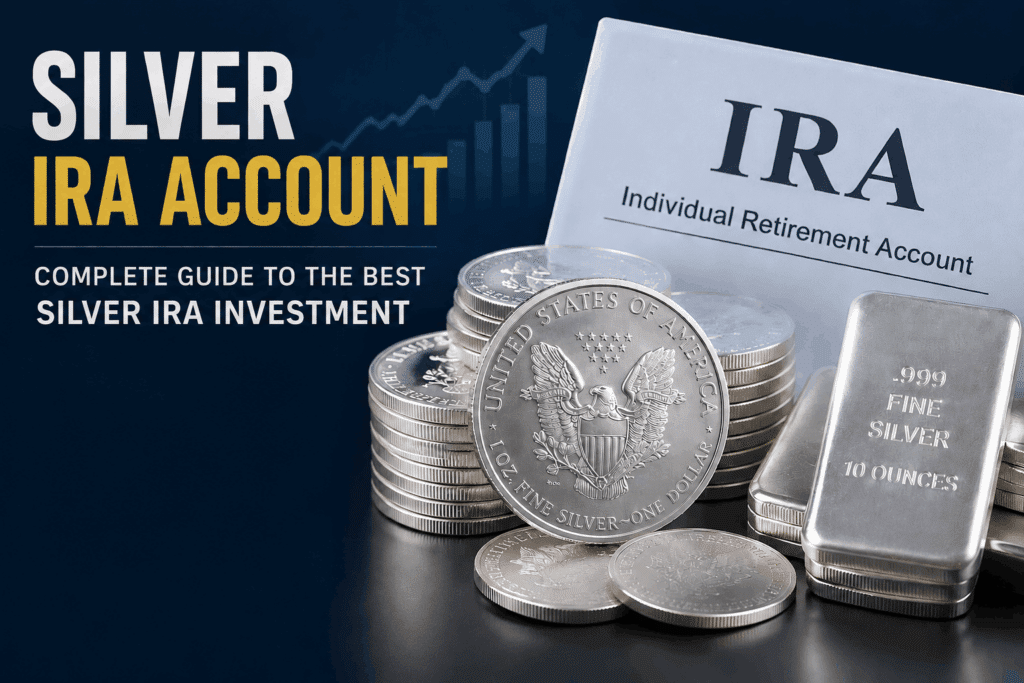
Whether you are planning retirement diversification, protecting purchasing power, or exploring alternative investments, understanding how a Silver IRA works is essential before getting started.
What Is a Silver IRA Account?
A Silver IRA account is a type of self-directed individual retirement account that allows investors to hold physical silver bullion, bars, and certain approved silver coins within a retirement portfolio. Unlike standard IRAs managed through traditional financial institutions, a self-directed Silver IRA gives investors more control over alternative assets.
The Internal Revenue Service (IRS) allows specific precious metals to be included in retirement accounts as long as they meet purity and storage requirements. Silver held in an IRA must typically meet a minimum purity standard of 99.9%.
A self-directed Silver IRA can be established as either:
Traditional Silver IRA
Contributions may be tax-deductible, and taxes are paid during retirement withdrawals.
Roth Silver IRA
Contributions are made with after-tax income, but qualified withdrawals may be tax-free during retirement.
Unlike paper investments, physical silver offers tangible ownership, making it attractive to investors seeking diversification and protection against inflation.
How Does a Self-Directed Silver IRA Work?
A self-directed Silver IRA works similarly to other retirement accounts, but it allows investors to purchase approved physical silver instead of relying only on traditional securities.
The process usually involves several important steps.
1. Choose a Silver IRA Custodian
IRS regulations require a qualified custodian to manage the retirement account. The custodian helps maintain compliance, handles reporting requirements, and coordinates secure storage for the metals.
Many investors compare different Silver IRA companies based on:
- Industry reputation
- Fees
- Customer support
- Storage partnerships
- Precious metals selection
2. Open the Silver IRA Account
After selecting a custodian, investors open a self-directed Silver IRA account. The account setup process is typically straightforward and may include identity verification and retirement account documentation.
3. Fund the Account
Investors can fund a Silver IRA through:
- Direct contributions
- IRA transfers
- 401(k) rollovers
- Retirement account rollovers
Many retirement savers choose rollovers to move existing retirement funds into precious metals without triggering tax penalties.
4. Purchase IRS-Approved Silver
Once the account is funded, investors can buy eligible silver products through approved dealers. The silver must satisfy IRS purity standards and be stored properly.
5. Store the Silver in an Approved Depository
IRS rules prohibit personal possession of IRA-owned silver. Instead, the silver must be stored in an authorized depository that provides secure and insured storage.
Benefits of a Silver IRA Investment
A Silver IRA investment offers several potential advantages for long-term retirement planning.
Hedge Against Inflation
Silver has historically been viewed as a hedge against inflation because physical precious metals often retain value when paper currencies lose purchasing power.
As inflation rises, many investors seek hard assets like silver to help preserve wealth.
Portfolio Diversification
Diversification is one of the most important principles of retirement investing. Adding silver to a retirement portfolio may reduce overall exposure to stock market volatility.
A Silver IRA provides exposure to a different asset class that may perform independently from equities and bonds.
Tangible Asset Ownership
Unlike digital or paper-based investments, physical silver offers direct ownership of a tangible asset. Many investors appreciate having precious metals that possess intrinsic value.
Potential Long-Term Growth
Silver demand continues to grow in several industries, including:
- Solar energy
- Electronics
- Electric vehicles
- Medical technology
Industrial demand combined with investment demand may contribute to long-term growth potential.
Protection During Economic Uncertainty
Economic downturns, banking instability, and geopolitical tensions often increase interest in precious metals. Silver is frequently considered a defensive asset during uncertain financial periods.
Best Silver IRA Companies: What to Look For
Choosing the right provider is an important step when opening a Silver IRA account. Not all Silver IRA companies offer the same level of service, pricing transparency, or investment support.
When comparing providers, investors should consider several factors.
Reputation and Industry Experience
Established companies with strong customer reviews and industry experience often provide more reliable service and educational resources.
Transparent Fee Structure
Understanding setup fees, storage costs, annual maintenance fees, and transaction charges is essential before opening an account.
Secure Storage Options
Top Silver IRA companies typically partner with highly secure depositories that offer:
- Segregated storage
- Insurance coverage
- 24/7 monitoring
- Audited facilities
Customer Support and Education
Retirement investing can feel complex for beginners. Companies that provide educational materials and responsive support may help investors make informed decisions.
Buyback Programs
Some providers offer buyback services that simplify liquidation when investors decide to sell their silver holdings in the future.
Types of Silver Allowed in an IRA
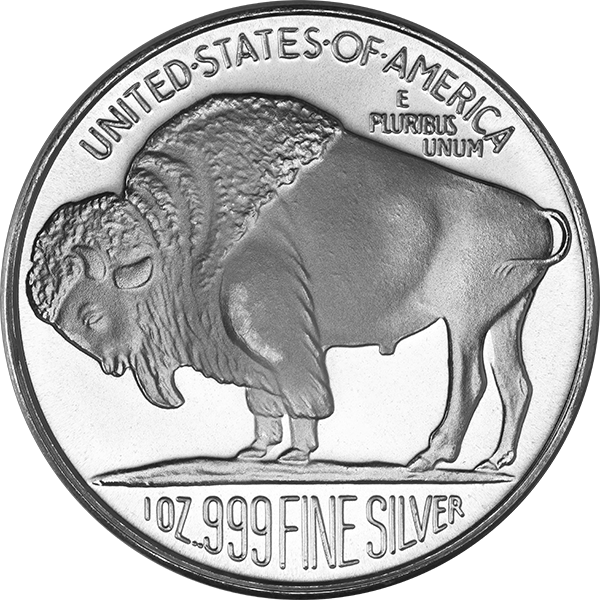
The IRS only permits specific silver products in retirement accounts. These products must meet required purity standards and come from approved refiners or government mints.
Popular IRA-approved silver options include:
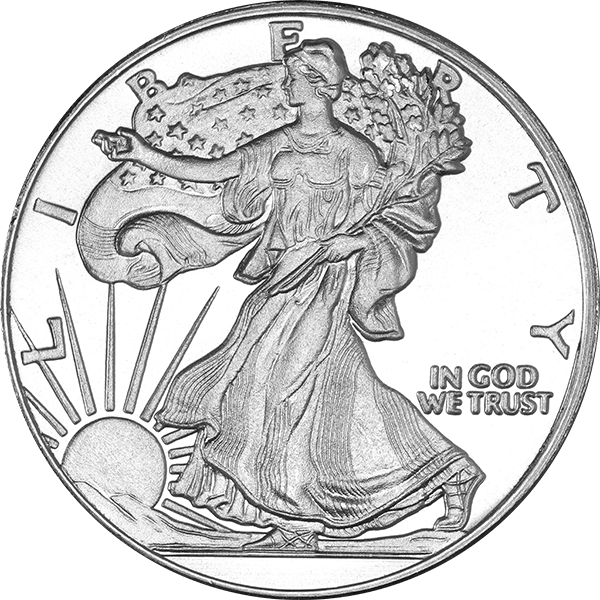
American Silver Eagle
One of the most recognized silver bullion coins in the world, American Silver Eagles are highly popular among retirement investors because of their liquidity and government-backed authenticity.
Canadian Silver Maple Leaf
Produced by the Royal Canadian Mint, these coins are known for their high silver purity and advanced security features.
Austrian Silver Philharmonic
These internationally recognized silver bullion coins are also eligible for many precious metals IRA accounts.
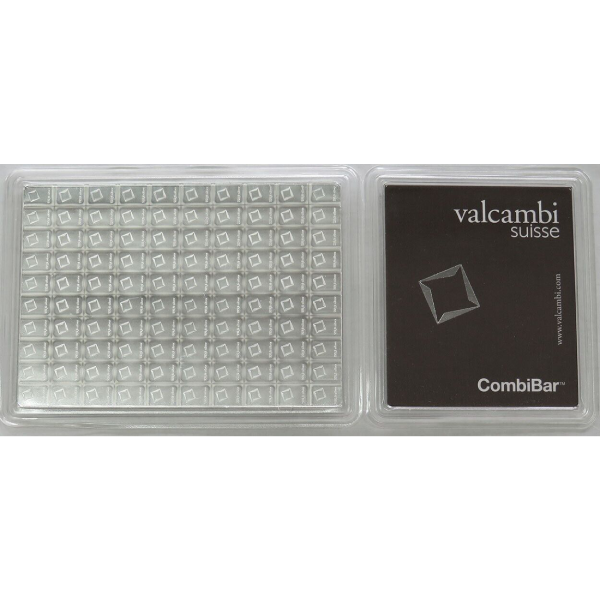
Silver Bars and Bullion
Many investors also purchase IRA-approved silver bars that meet minimum purity standards. Silver bullion bars may offer lower premiums compared to coins.
Silver IRA vs Traditional IRA
Understanding the difference between a Silver IRA and a traditional retirement account helps investors choose the right diversification strategy.
| Feature | Silver IRA | Traditional IRA |
| Physical Precious Metals | Yes | No |
| Inflation Protection | Strong | Limited |
| Tangible Assets | Yes | No |
| Market Dependence | Lower | Higher |
| Storage Requirement | Required | Not Required |
| Alternative Asset Exposure | Yes | Limited |
A Silver IRA may appeal to investors seeking asset diversification and physical wealth preservation alongside traditional retirement investments.
Risks and Considerations of Silver IRA Accounts
While a Silver IRA investment offers several benefits, investors should also understand the potential risks.
Market Volatility
Silver prices can fluctuate significantly over short periods due to market demand, industrial usage, and economic conditions.
Storage and Custodian Fees
Unlike traditional IRAs, physical precious metals require secure storage and custodial management, which may increase annual costs.
Liquidity Considerations
Selling physical silver may take more time compared to liquidating stocks or mutual funds.
IRS Compliance Requirements
Failure to follow IRS storage and account rules may result in penalties or tax consequences. Investors should always work with qualified custodians and approved dealers.
How to Open a Silver IRA Account
Opening a Silver IRA account generally involves a straightforward process.
Step 1: Research Silver IRA Companies
Compare providers based on:
- Reputation
- Fees
- Precious metals inventory
- Customer support
- Storage options
Step 2: Open a Self-Directed Silver IRA
Complete the account application with the selected custodian.
Step 3: Fund the Account
Transfer funds from an existing IRA or retirement plan, or make direct contributions.
Step 4: Select IRA-Approved Silver
Choose eligible silver coins or bullion products that meet IRS requirements.
Step 5: Arrange Secure Storage
Your custodian will coordinate storage with an approved depository facility.
Frequently Asked Questions
Is a Silver IRA a good investment?
A Silver IRA may help diversify retirement portfolios and provide protection against inflation and economic uncertainty. However, investment decisions should align with individual financial goals and risk tolerance.
Can I hold physical silver in my IRA?
Yes, but the silver must meet IRS requirements and be stored in an approved depository rather than at home.
What silver qualifies for IRA accounts?
IRS-approved silver typically includes certain bullion bars and coins with minimum purity standards, such as American Silver Eagles and Canadian Maple Leafs.
Are Silver IRA accounts safe?
Silver IRAs are generally considered secure when managed through reputable custodians and approved storage facilities. However, silver prices can still fluctuate with market conditions.
What are the fees associated with a Silver IRA?
Common fees may include:
- Account setup fees
- Annual maintenance fees
- Storage fees
- Transaction costs
Which are the best Silver IRA companies?
The best Silver IRA companies usually offer transparent pricing, secure storage, quality customer support, and strong industry reputations.