Planning for retirement involves more than deciding how much money to save. It also means understanding where your retirement assets are held, how they are managed, and whether your investment strategy supports your long-term financial goals.
For investors interested in physical gold, silver, platinum, or palladium, a Precious Metals IRA offers another way to diversify a retirement portfolio. However, choosing the right company to help with the process requires careful consideration.
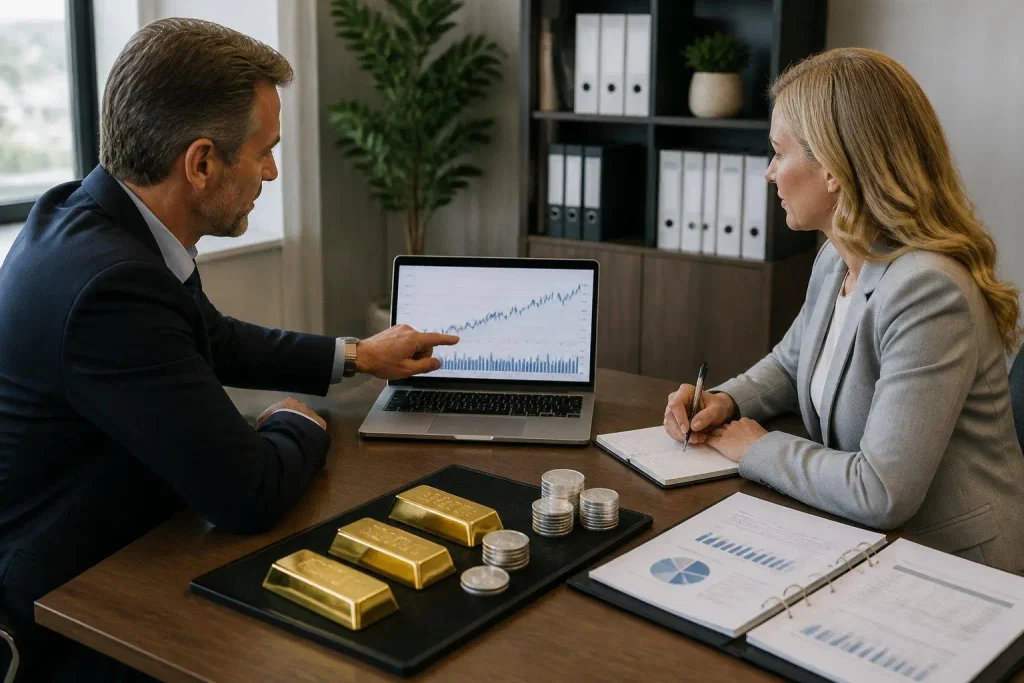
Not all precious metals companies provide the same level of service, product selection, pricing transparency, or retirement account support.
So, how do you know which company deserves your consideration?
Before opening an account or moving retirement funds, here are seven important questions worth asking.
1. What Experience Does the Company Have in Precious Metals?
The first thing to consider is the company’s experience in the precious metals industry.
Buying physical gold and silver is different from purchasing traditional financial investments. You need to understand product specifications, market pricing, premiums, availability, and the differences between bullion and collectible coins.
An experienced precious metals dealer should be able to explain these differences clearly without pressuring you into a particular purchase.
Consider asking:
- How long has the company been operating?
- Does it specialize in physical precious metals?
- Can its specialists explain different bullion products?
- Does it have experience assisting retirement investors?
A company’s operating history, industry experience, customer feedback, and willingness to answer questions can help you evaluate whether it deserves further consideration.
Gibraltar Group, founded in 2013, provides access to physical gold, silver, platinum, and palladium, along with precious metals IRA assistance and personal guidance.
2. Which Precious Metals Can You Hold in a Self-Directed IRA?
Not every gold coin, silver bar, or collectible product qualifies for inclusion in a Precious Metals IRA.
The IRS generally treats metals and coins as collectibles, but provides exceptions for certain qualifying coins and bullion that meet applicable requirements.
Depending on the product and applicable rules, eligible precious metals may include:
- Gold bullion and qualifying gold coins
- Silver bullion and qualifying silver coins
- Platinum bullion and qualifying platinum coins
- Palladium bullion and qualifying palladium coins
Purity requirements, product eligibility, and custody rules matter. For example, certain qualifying bullion must remain in the physical possession of the IRA trustee or custodian.
Before purchasing anything, ask the company:
- Which products may qualify for an IRA?
- Can I compare gold and silver options?
- Are platinum and palladium available?
- Will my IRA custodian confirm product eligibility?
A knowledgeable precious metals specialist should help you understand the available options while allowing your IRA custodian to confirm eligibility for your specific account.
3. Are All Fees and Pricing Clearly Explained?
This is one of the most important questions to ask before making a decision.
Precious metals investments involve more than the spot price of gold or silver. The final purchase price may include a product premium, dealer spread, shipping charges, account administration fees, and storage expenses.
Some costs may come from the precious metals dealer, while others are charged by the independent IRA custodian or storage provider.
Before moving forward, request a clear explanation of:
- Precious metals purchase prices
- Dealer premiums and spreads
- IRA account setup fees
- Annual custodian fees
- Depository and storage charges
- Shipping and insurance costs, where applicable
Don’t hesitate to compare quotes from different providers.
A transparent company should be willing to explain what you are paying for and identify which fees are charged by third parties.
Remember, the lowest advertised price does not necessarily represent the lowest overall cost.
4. How Are Your Precious Metals Stored and Protected?
When physical precious metals are purchased through a qualifying IRA, storage arrangements are an important part of the process.
Unlike directly purchasing gold or silver for personal ownership, IRA-owned metals generally cannot simply be stored at home.
The IRS requires qualifying IRA bullion to remain in the physical possession of the IRA trustee or custodian, subject to applicable requirements.
Ask the company:
- Which independent IRA custodians can I work with?
- Which approved storage facilities are available?
- Are segregated and non-segregated storage options offered?
- What are the annual storage charges?
- How is the storage arrangement documented?
Understanding these details before opening an account can help prevent confusion later.
Your IRA custodian is responsible for administering the account, while the depository handles the physical storage of eligible metals.
These are important roles, and you should understand who is responsible for each part of the process.
5. Can You Transfer or Rollover an Existing Retirement Account?
Many investors exploring Precious Metals IRAs already have retirement savings in an existing Traditional IRA, Roth IRA, or employer-sponsored retirement plan.
Depending on the account type and plan rules, eligible funds may be transferred or rolled over into a Self-Directed IRA that permits qualifying physical precious metals.
However, transfers and rollovers are not identical.
A direct IRA-to-IRA transfer generally moves assets between custodians, while a rollover involves moving eligible retirement funds from one retirement arrangement to another under applicable IRS rules.
Before starting the process, ask:
- Can you help coordinate an existing IRA transfer?
- Can you assist with eligible 401(k) rollover inquiries?
- What paperwork will be required?
- Who will handle the account administration?
- How can I avoid unnecessary tax complications?
An experienced precious metals specialist can help explain the general process and coordinate with the relevant parties.
Your existing plan administrator, receiving IRA custodian, and qualified tax professional should confirm the rules applicable to your particular situation.
6. What Happens If You Want to Sell Your Precious Metals Later?
Buying precious metals is only one part of the investment process. You should also understand your options when you eventually decide to sell.
Gold, silver, platinum, and palladium prices fluctuate. The amount you may receive when selling can depend on the current market price, product type, condition, availability, and dealer buyback terms.
Before choosing a company, ask:
- Does the company consider repurchasing metals?
- How are buyback prices determined?
- Are there additional transaction costs?
- Can I receive a current purchase quote?
- What happens if I want to sell a particular coin or bar?
Remember that a dealer’s willingness to consider a repurchase does not guarantee a future buyback price or profit.
For retirement accounts, selling metals may also involve instructions and procedures through the IRA custodian.
Understanding these details early can help you make more informed decisions.
7. Will You Receive Personal Guidance After Opening an Account?
Good customer service should not end once you complete a purchase.
Precious metals investing involves ongoing decisions, including understanding market prices, comparing products, reviewing account-related costs, and learning about available options.
Look for a company that provides:
- Access to knowledgeable precious metals specialists
- Clear explanations of available products
- Assistance understanding the purchase process
- Responsive communication
- Support when questions arise
You should feel comfortable asking questions before making a financial commitment.
A company that explains both the potential benefits and the risks of precious metals can help you approach the process with more realistic expectations.
Why Consider Gibraltar Group for Your Precious Metals Needs?
Choosing a precious metals company is an important decision, especially when retirement savings are involved.
At Gibraltar Group, we believe investors deserve personal attention, clear information, and access to a range of physical precious metals.
Founded in 2013, Gibraltar Group provides access to:
- Physical gold coins and bars
- Silver bullion, coins, and rounds
- Platinum coins and bars
- Palladium products
- Rare and certified coins
- Precious metals IRA assistance
Our specialists help investors explore available products, understand pricing, and learn how eligible precious metals may fit into a Self-Directed IRA strategy.
Whether you are considering your first precious metals purchase or exploring options for an existing retirement account, our team is available to help you understand the process.
The goal is simple: provide straightforward information so you can make decisions that align with your own financial objectives.
Frequently Asked Questions
Is a Precious Metals IRA a good choice for retirement?
A Precious Metals IRA may appeal to investors seeking exposure to physical gold, silver, platinum, or palladium as part of a diversified retirement strategy. However, precious metals prices fluctuate, and these assets do not generate regular interest or dividends. Suitability depends on your financial goals, risk tolerance, and retirement timeline.
How much money do I need to open a Precious Metals IRA?
The required amount depends on the IRA custodian, dealer requirements, account structure, and applicable fees. Ask for current minimum investment requirements and a complete breakdown of costs before opening an account.
Can I hold gold and silver in the same IRA?
Yes. A Self-Directed IRA may hold different types of eligible precious metals, including qualifying gold and silver products, subject to IRS requirements and custodian policies.
Can I store my IRA gold at home?
Generally, no. Qualifying IRA-owned bullion must remain in the physical possession of the IRA trustee or custodian under applicable IRS requirements. Personal possession can create serious tax consequences.
Can I use an existing 401(k) to fund a Precious Metals IRA?
Certain eligible 401(k) funds may be rolled over into a Self-Directed IRA. However, eligibility depends on your retirement plan, employment status, and applicable rules. Consult your plan administrator and IRA custodian before initiating a rollover.
Are Precious Metals IRAs guaranteed to make money?
No. Gold, silver, platinum, and palladium prices can rise or fall. Precious metals investments carry market risk, and investors may receive less than their original purchase price when selling.
Ready to Explore Your Precious Metals IRA Options?
Choosing a precious metals company should begin with the right questions, not a rushed investment decision.
If you are considering adding physical gold, silver, platinum, or palladium to your retirement strategy, Gibraltar Group can help you explore available options and understand the process.